

The Devil Tarot Card is often shrouded in mystery, symbolizing feelings of being trapped or limited in some way. It represents bondage, materialism, and the shadow self, prompting introspection into our deepest desires and fears.
As we explore the meaning behind this card, we’ll delve into its historical background, visual elements, and various interpretations, especially in the context of love and relationships. Understanding the tarot card can offer insights into our lives, helping us navigate challenges and make informed decisions.
Key Takeaways
- Understanding the symbolism of the Devil Tarot Card
- Exploring its historical background and visual elements
- Interpretations of the card in different contexts
- Insights into love and relationships through tarot readings
- Practical tips for reading tarot cards
The Devil Tarot Card: Origins and Appearance
Delving into the origins and appearance of the Devil Tarot Card reveals a multifaceted symbol that has captivated tarot enthusiasts for centuries. This card, typically depicted with a horned figure and chained individuals below, is rich in historical and symbolic meaning.
Historical Background of the Devil Card
The Devil Tarot Card has its roots in various cultural and esoteric traditions. The imagery on the card is often associated with the concept of the shadow or the darker aspects of human nature. Historically, the card’s design has been influenced by medieval and Renaissance art, incorporating elements that symbolize bondage and material enslavement.
As noted by tarot historian Ronald Decker, “The Devil card is a complex symbol that represents the shadow self and the material bonds that tie us to the earthly realm.” This insight highlights the card’s deeper esoteric significance.
Visual Elements and Imagery
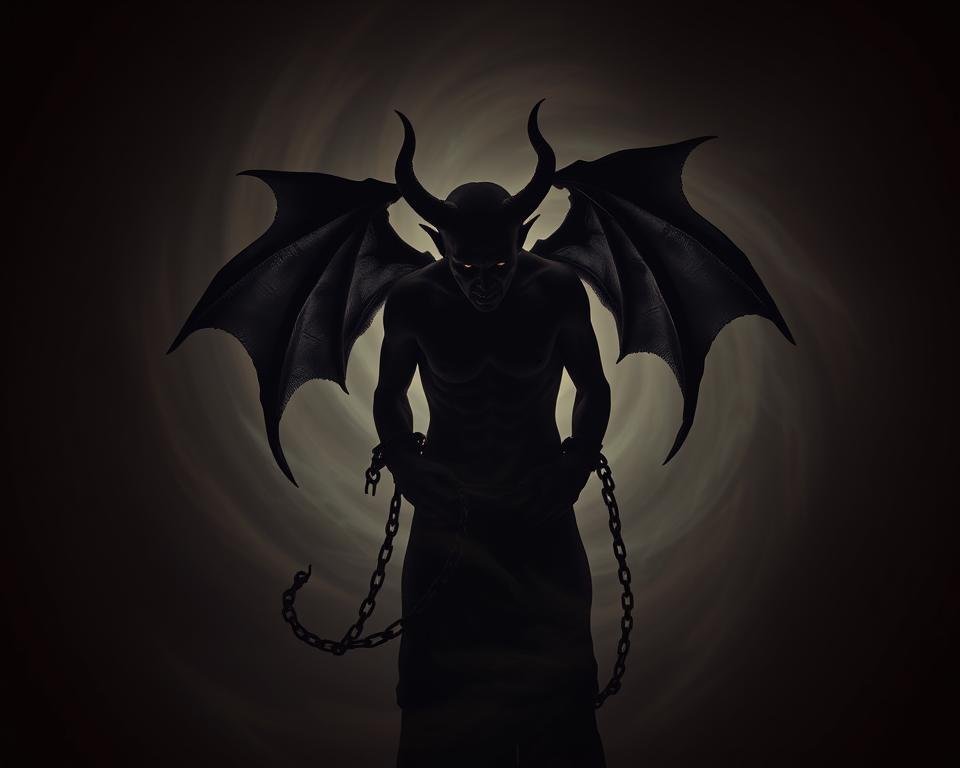
The visual elements of the Devil Tarot Card are crucial to understanding its symbolism. The card typically features a horned figure, often with bat wings, standing on a pedestal. Below the figure are usually two smaller figures, chained to the pedestal.
The Horned Figure and Its Significance
The horned figure is a representation of the shadow or the repressed aspects of the self. It symbolizes the parts of our personality or desires that we may hide or deny. The figure’s presence on the card serves as a reminder of the power of our shadow selves.
The Chained Figures Below
The chained figures below the horned figure represent bondage or enslavement to material or worldly desires. They signify the ways in which our attachments can limit our freedom and potential. The chains can be seen as a symbol of self-imposed restrictions or the consequences of our choices.
| Symbol | Meaning |
|---|---|
| Horned Figure | Representation of the shadow self |
| Chained Figures | Symbolize bondage to material desires |
The Devil Tarot Card Meaning and Symbolism
Delving into the symbolism of the Devil Tarot Card reveals a complex web of esoteric meanings. This card is rich in symbolism, touching on various themes that are crucial for understanding its presence in a tarot reading.
Key Symbols on the Devil Card
The imagery on the Devil Card is dense with symbolism. Two main symbols stand out: the pentagram and the chains.
The Pentagram and Inverted Pentacle
The pentagram, often associated with protection and balance, appears inverted on the Devil Card, signifying a distortion or corruption of these principles. This inversion represents a shift towards materialism and the shadow aspects of human nature.
Chains and Bondage Imagery
The chains depicted on the card symbolize bondage, not just physical but also emotional and psychological. They represent the constraints we place on ourselves or others, often due to our desires or fears.
Esoteric and Psychological Interpretations
The Devil Tarot Card is also associated with pagan deities and shadow aspects of the psyche. Understanding these connections can provide deeper insights into the card’s meaning.
Connection to Pan and Pagan Deities
The imagery on the Devil Card has roots in pagan symbolism, particularly with deities like Pan, who represents the untamed and instinctual aspects of human nature. This connection highlights the card’s association with raw, unbridled energy.
Shadow Aspects of the Psyche
The card is a representation of the shadow self, embodying the repressed thoughts, desires, and aspects of our personality that we hide from others and ourselves. It signifies the need to confront these shadow elements for personal growth.
| Symbol | Meaning |
|---|---|
| Inverted Pentagram | Distortion of balance and protection, materialism |
| Chains | Bondage, self-imposed or external constraints |
| Pagan Imagery | Connection to raw, instinctual human nature |
By examining the symbolism and interpretations of the Devil Tarot Card, we can gain a deeper understanding of its role in tarot readings and its relevance to our personal journeys.
The Devil Card in Upright Position
The upright Devil Card is a potent symbol that often represents feelings of being trapped or limited in some aspect of life. This card can indicate a range of challenges, from materialistic tendencies to unhealthy attachments.
Bondage and Materialism
When the Devil Card appears upright, it can signify being enslaved by material possessions or external expectations. This bondage can lead to a sense of emptiness and disconnection from one’s true desires.
Shadow Self and Hidden Desires
The Devil Card upright can also represent the shadow aspects of the self, including repressed desires or hidden fears. Acknowledging these elements is crucial for personal growth and liberation.
Addiction and Unhealthy Attachments
Furthermore, the upright Devil Card may indicate struggles with addiction or unhealthy attachments. Recognizing these patterns is the first step towards recovery and healing.
| Interpretation | Description |
|---|---|
| Bondage and Materialism | Feeling trapped by material possessions or external expectations. |
| Shadow Self and Hidden Desires | Repressed desires or hidden fears that need to be acknowledged. |
| Addiction and Unhealthy Attachments | Struggles with addiction or unhealthy patterns that need to be addressed. |
Understanding the Devil Card in the upright position can provide valuable insights into areas where one may feel confined or limited. By acknowledging and addressing these challenges, individuals can work towards liberation and personal growth.
The Devil Card in Reversed Position
The reversed Devil Tarot Card is a powerful symbol of liberation, indicating the querent is on the path to overcoming their inner demons. This card’s appearance in a reading signifies a crucial turning point, where one begins to break free from the negative patterns and materialistic influences that have held them back.
Breaking Free from Limitations
When the Devil Tarot Card appears in the reversed position, it suggests that the individual is ready to confront and release their deep-seated fears and desires. This process involves recognizing the self-imposed constraints that have limited their potential.
Recognizing Self-Imposed Constraints
To break free, one must first acknowledge the constraints they’ve placed upon themselves. This involves a deep level of self-reflection, understanding that the chains that bind are often of one’s own making.
Steps Toward Liberation
- Self-awareness: Understanding the root causes of one’s limitations.
- Courage: The strength to confront and challenge these constraints.
- Action: Taking deliberate steps towards change and liberation.
Reclaiming Personal Power
Reclaiming personal power is a critical aspect of the reversed Devil Tarot Card’s message. It involves confronting fears and illusions that have held one back and embracing authenticity.
Confronting Fears and Illusions
Confronting the fears and illusions that have contributed to one’s bondage is essential. This requires a willingness to face the shadow self and the aspects of one’s personality that have been suppressed or denied.
Embracing Authenticity
Embracing authenticity means living truthfully and aligning one’s actions and desires with their true self. This step is crucial for personal growth and liberation.
The Devil Tarot Card Meaning in Relationships and Love
In the realm of love and relationships, the Devil tarot card is a potent symbol that can indicate both the heights of passion and the depths of dependency. This card often represents the shadow aspects of our personalities and the unconscious patterns that govern our relationships.
For Singles: Warning Signs and Opportunities
For singles, the Devil tarot card can signal a period of intense attraction or obsession with someone. It’s a warning to be cautious of unhealthy attachments or being drawn into situations that might not be in your best interest. However, it can also represent an opportunity to confront and understand your desires and shadow self, potentially leading to personal growth.
For Couples: Addressing Unhealthy Patterns
In the context of an existing relationship, the Devil tarot card can indicate underlying issues such as codependency, possessiveness, or an unhealthy fixation on each other. It’s a call to address these patterns and work towards a healthier dynamic. This card can also suggest a need to rekindle passion and intimacy, but in a balanced manner.
Sexual Energy and Passion
The Devil tarot card is closely associated with sexual energy and passion. It can signify a strong attraction or a heightened sense of sensuality in a relationship.
Healthy Expression of Desires
A healthy expression of desires involves mutual respect and understanding. It’s about embracing your passions while maintaining a balance that doesn’t harm you or your partner.
When Passion Becomes Obsession
However, when passion turns into obsession, it can lead to an unhealthy and potentially destructive dynamic. Recognizing the fine line between healthy desire and obsessive behavior is crucial.
Understanding the Devil tarot card’s meaning in love and relationships can provide valuable insights into your romantic life, helping you navigate complex emotions and desires. By acknowledging and addressing the shadow aspects of your relationships, you can work towards a more balanced and fulfilling connection with your partner or a deeper understanding of yourself if you’re single.
Conclusion: Harnessing the Lessons of the Devil Card
The Devil Tarot card is a complex symbol that offers valuable insights into our inner struggles and shadow selves. Understanding the the devil tarot card meaning can help us confront our deepest fears and desires, ultimately leading to personal growth and liberation.
Whether the the devil tarot card appears in the upright or reversed position, it serves as a powerful reminder to examine our attachments, behaviors, and motivations. By acknowledging and addressing these aspects, we can break free from limitations and reclaim our personal power.
As we navigate the complexities of the the devil tarot card meaning, we are encouraged to cultivate self-awareness, release unhealthy patterns, and foster a deeper understanding of ourselves and our relationships. By harnessing the lessons of the Devil card, we can unlock new paths to emotional freedom and spiritual growth.
FAQ
What does the Devil Tarot Card typically represent?
The Devil Tarot Card often symbolizes feelings of being trapped, limited, or enslaved by material or worldly desires, representing bondage, materialism, and the shadow self.
How is the Devil Tarot Card interpreted in love and relationships?
In love and relationships, the Devil Tarot Card can indicate unhealthy patterns, obsession, or an excessive focus on material or physical aspects, serving as a warning to recognize and address these issues.
What is the significance of the Devil Tarot Card in the upright position?
When the Devil Tarot Card appears in the upright position, it can signify being trapped by materialistic tendencies, shadow aspects of the self, or unhealthy attachments, indicating a need to reevaluate and break free.
What does the Devil Tarot Card mean when it appears in the reversed position?
In the reversed position, the Devil Tarot Card can indicate a breaking free from limitations, recognizing self-imposed constraints, and reclaiming personal power, signaling a step towards liberation and authenticity.
How can understanding the Devil Tarot Card’s meaning help in personal growth?
Understanding the Devil Tarot Card’s meaning can help individuals recognize areas where they feel confined or limited, allowing them to address and overcome these challenges, promoting personal growth and liberation.
What role does the Devil Tarot Card play in tarot readings?
The Devil Tarot Card plays a significant role in tarot readings, serving as a catalyst for self-reflection, highlighting the need to confront shadow aspects, and encouraging individuals to break free from negative patterns and materialistic tendencies.
How can one apply the insights from the Devil Tarot Card to their life?
By understanding the symbolism and meaning of the Devil Tarot Card, individuals can apply its insights to their life by recognizing and addressing unhealthy patterns, breaking free from materialistic tendencies, and embracing authenticity.